A collaboration · Vermeersch × Moura

Conversations are not weather.
They are a craft.

For leadership teams who are tired of investing in communication training that everyone enjoys — and nothing actually changes.

A collaboration between Leen Vermeersch & Inês Moura.

Format
Programme
Group
12–15
Reach
EU & remote
Leadership team in a focused, high-stakes conversation
Polite agreement, corridor disagreementRe-routed conflictsDecisions that don't stickDefensiveness on repeatCultures of careful sentencesTrust that doesn't compoundComposure under pressurePolite agreement, corridor disagreementRe-routed conflictsDecisions that don't stickDefensiveness on repeatCultures of careful sentencesTrust that doesn't compoundComposure under pressurePolite agreement, corridor disagreementRe-routed conflictsDecisions that don't stickDefensiveness on repeatCultures of careful sentencesTrust that doesn't compoundComposure under pressure
The problem

The conversations you can't see are costing you the most.

You've felt it for a while now. The meetings that end in polite agreement, followed by corridor conversations that say something different. The disagreements that get re-routed instead of resolved. The careful sentences in 1:1s that protect the relationship at the expense of the truth.

You've already tried to fix it. Communication trainings. MBTI workshops. Maybe a culture consultant or two. Your people enjoyed the sessions — and then went back to the same patterns by Wednesday.

The problem isn't that your team can't communicate. The problem is that nobody has ever shown them that how they talk to each other is a system — with patterns, costs, and predictable outcomes — that can be redesigned.

The shift

From "whose fault was that?" to "which patterns showed up between us?"

We work with leadership teams who are ready to stop treating their conversations as unpredictable weather — something that just happens to a team — and start treating them as a craft that can be learned, named, and improved.

That shift sounds simple. It changes everything.

This is not a workshop you sit through. It is a method your organisation builds into its operating system.

  • Disagreement becomes a tool for co-creation, instead of a threat to be managed.
  • Hard conversations become opportunities, instead of events to be survived.
  • Decisions get sharper, because the room actually tells you what it thinks.
  • Trust compounds, because people stop protecting themselves and start challenging each other toward better answers.
What makes this different

We don't teach communication. We teach pattern recognition — from the inside out.

Most communication training treats the symptom: better listening, clearer feedback, the right script for a difficult conversation. It works for a week.

We work one layer below that.

We start where every conversation actually starts: in the body. Before any word is chosen, the nervous system has already made a decision. The voice has already shifted. The posture has already closed or opened. By the time you are aware of the conversation you are having, your biology has been in it for several seconds.

That is why we combine two disciplines that are rarely brought together in a professional context: the cognitive science of conversational patterns and the physiology of voice and self-regulation under pressure. One shows teams how to see the patterns that sabotage their conversations — defensiveness, blame, polite avoidance, escalation. The other gives them a body they can trust in the moment those patterns show up.

Because knowing what to say is only half of it. The other half is being able to say it — with composure, with grounding, with a voice that matches the clarity of the thought behind it.


In practice

What this looks like when it's working.

In our work with leadership teams and professional women, we've seen the same moments of recognition appear again and again.

01

The participant who realises that what she called "losing her composure" was actually a perfectly logical chain reaction — emotion triggering cortisol, cortisol altering voice and body language, voice and body language rewriting the room's perception of her authority — and that every link in that chain can be interrupted.

02

The team that learns to name cognitive dissonance in real time — to say "I think there's a gap between what we're agreeing to and what we believe" — and watches a 45-minute corridor conversation dissolve into a 10-minute honest one.

03

The manager who practices a difficult sentence three times, with vocal grounding, and walks into the meeting no longer afraid of her own voice.

These are not soft outcomes. They are the infrastructure of organisations that make better decisions, faster, with less damage to the people inside them.

Leadership team in an intimate working session
The format

Small enough to be honest. Designed around your team.

We work with groups of 12 to 15 people — small enough that everyone speaks, practices, and is heard. Every engagement is tailor-made around the realities of your organisation: your sector, your pressures, the conversations you actually need to have.

Group size
12 to 15
intimate by design — fully tailor-made on request
Engagement
Programme
from a working session to a multi-module track
Setting
On location
we come to you, or a venue we agree on together
Reach
Belgium, Europe & beyond
also available remote
Language
English
delivered in English only

From a single working session to a multi-module leadership programme — we design the shape of the engagement together with you.

Who this is for

Built for organisations that have stopped pretending the soft stuff is soft.

We work with CEOs, founders, and managing partners of 50–500 person organisations across Belgium, the Netherlands, and wider Europe — typically at moments when the cost of unspoken conversations has become too visible to ignore:

  • A leadership team that agrees in the room and disagrees in the hallway.
  • A merger or restructuring where culture is the variable nobody can model.
  • A scaling organisation where the founders' communication style no longer holds the room.
  • A high-performance team where the talent is exceptional and the trust is fragile.
  • A group of high-potential women who have everything it takes — and are still losing ground in the moments that matter most.

If any of that sounds familiar, we should talk.

Who we are

Two practitioners. One craft.

Two practitioners who bring fundamentally different disciplines to the same problem — and whose approaches meet at the place where most communication training never reaches: the moment during a conversation when everything threatens to go wrong.

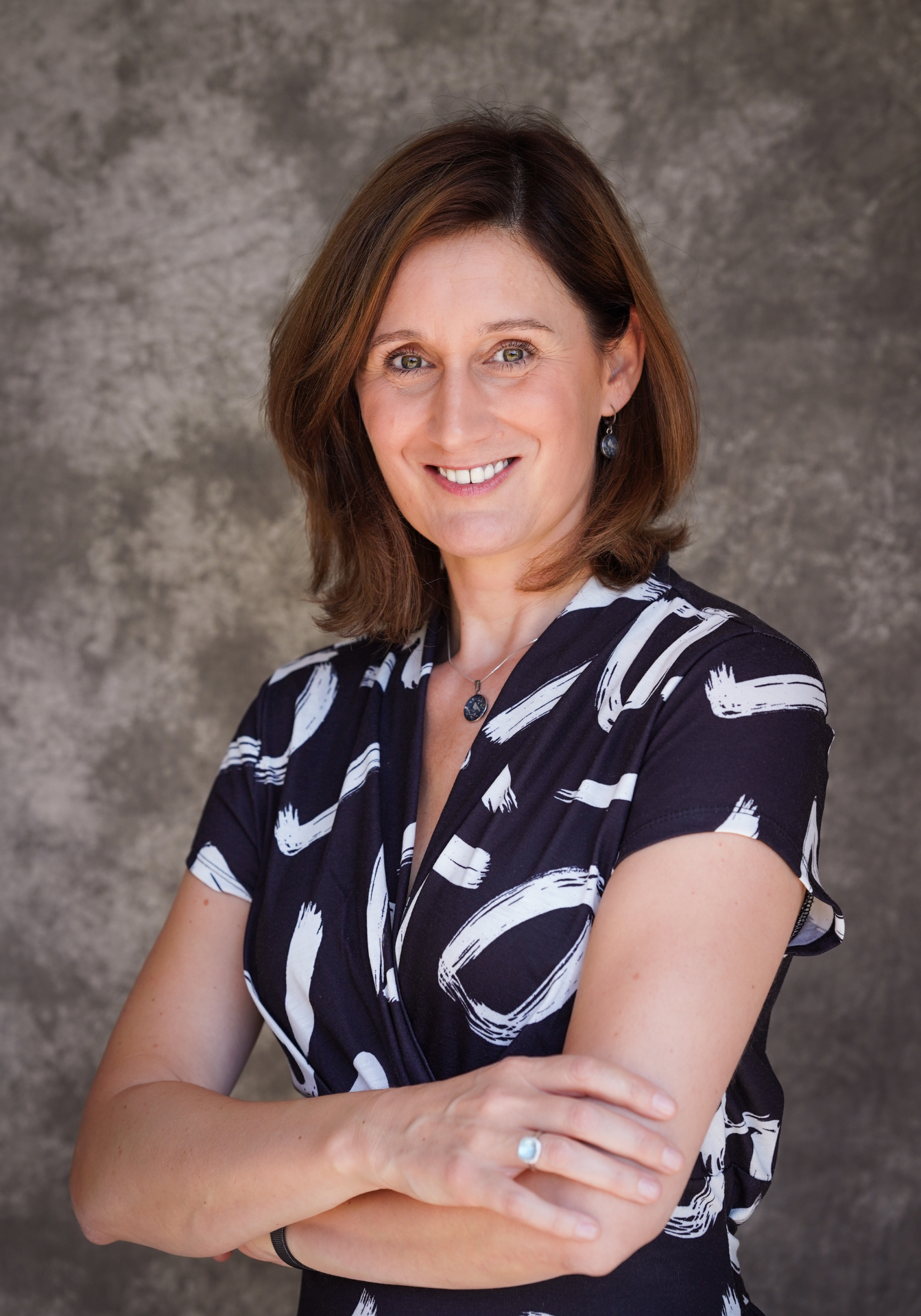
Portrait of Leen Vermeersch
Author · Strategic Advisor · ICF-Certified Coach

Leen Vermeersch

The Conversation Doctor

Author of The Conversation Doctor, strategic advisor, board member and ICF-certified communication coach with extensive experience as a lobbyist and NVC practitioner. She brings a neurodivergent thinker's precision for the systems and patterns most people don't notice — and years of translating neuroscience, psychology and Nonviolent Communication into practical tools that survive the pressure of real professional life. Her work begins in the mind: with the inner narratives, the emotional triggers and the cognitive patterns that determine what comes out of a person's mouth before they've decided what to say.

Visit website →
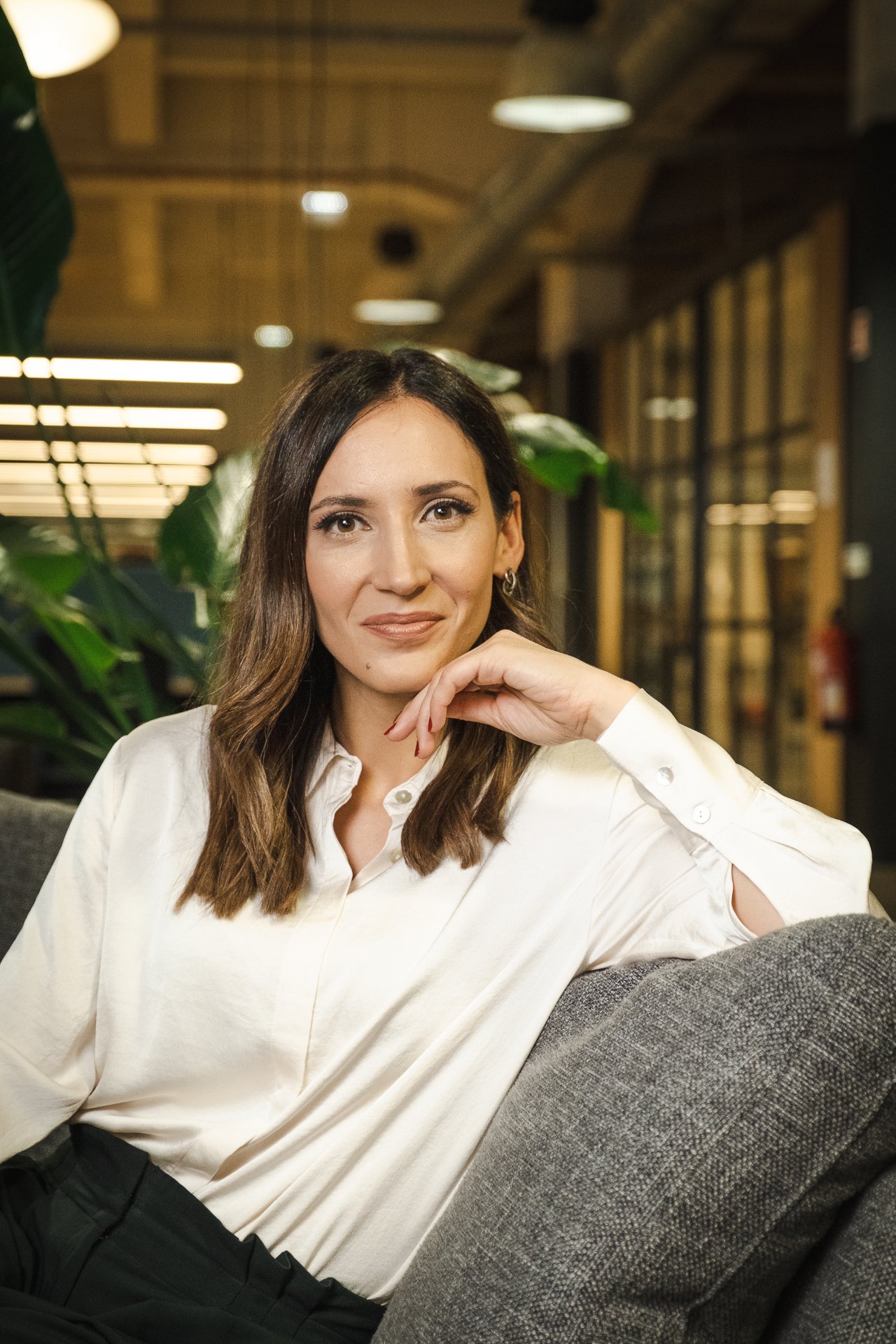
Portrait of Inês Moura
Voice & Self-Regulation Practitioner

Inês Moura

Voice Power Leadership

Inês works where the mind meets the body: in the voice. As a voice and self-regulation practitioner, she helps professionals understand what happens physiologically when pressure enters a conversation — how pitch shifts, how speed accelerates, how tone closes — and how to reverse that process in real time. Her vocal grounding techniques are not performance tools. They are a way of returning to yourself when a conversation is pulling you away from it.

Visit website →

Together, we cover the full chain: from the thought that forms before a word is spoken, to the nervous system that either supports or undermines it, to the voice that carries it into the room. Our programmes are built on the understanding that in any high-stakes conversation, your emotions are not the problem. They are your compass — if you know how to read them.

What people are saying

Voices from the room.

"
I came in expecting tips. I left with a different relationship to my own voice — and to the moments I used to dread.
Senior counsel, professional services firm
"
The pairing of NVC and vocal work is what made it land. One without the other would have been half the workshop.
HR Director, scale-up
"
Small group, real conversations, no fluff. The role-plays alone were worth the session.
Participant, The Nine — July 2025
Start here

Start with a conversation about your conversations.

Every engagement begins with a 45-minute discovery call. No slides. No pitch. Just a working conversation about what's happening in your organisation, what you've already tried, and whether what we offer is the right fit.

If it is, we'll design a programme together. If it isn't, we'll tell you so.

Discovery call
45 minutes · no pitch · no slides
Reach
Belgium, Europe & beyond — also remote